
Vicarious Trauma: When Other People's Pain Starts to Feel Like Your Own
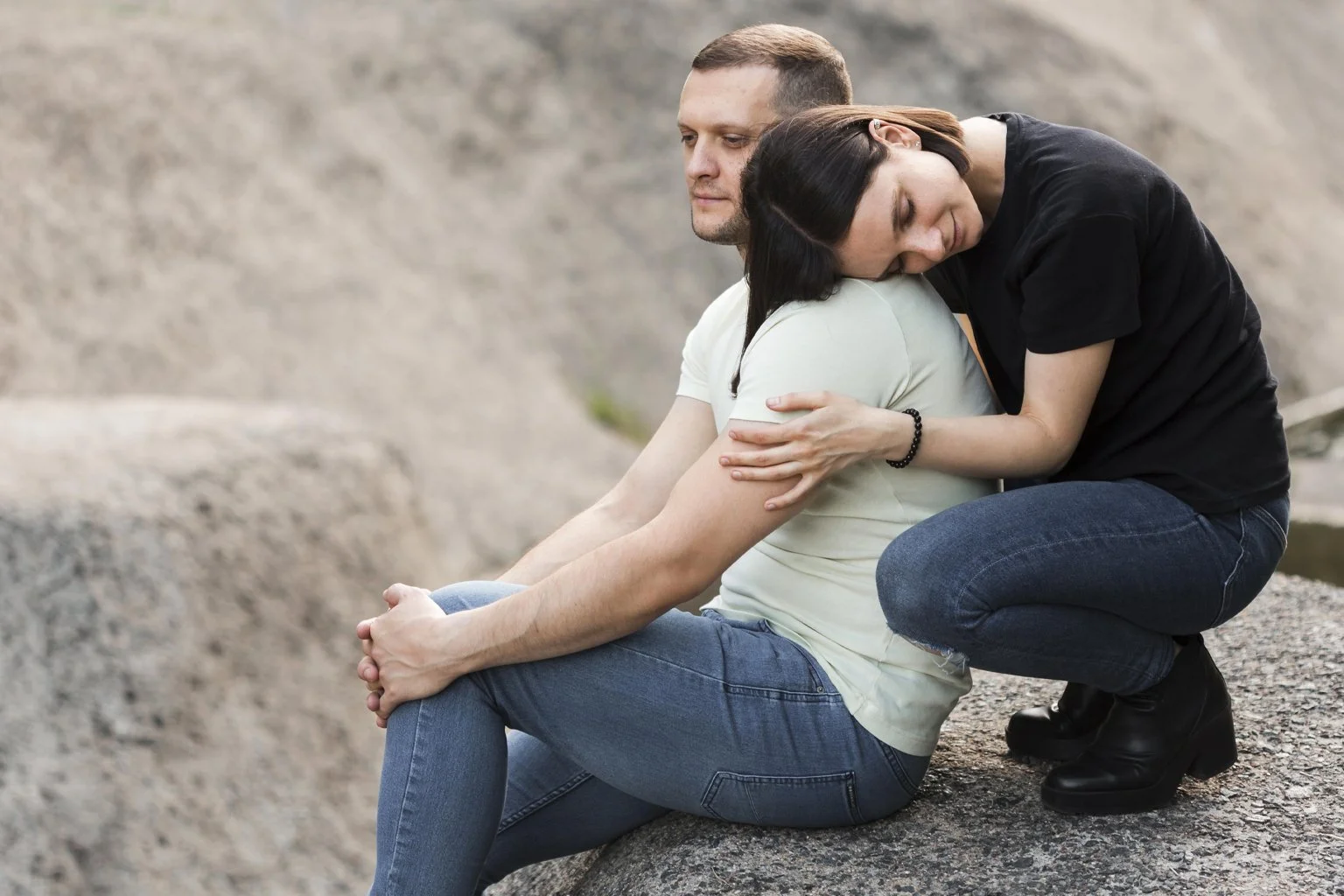
There are those times when the feeling of exhaustion comes despite not spending a long period of time at work. It is due to you taking too much of what other people are experiencing in their lives. The nurse who stops watching the news. The social worker who cannot relax during films since he/she is expecting something terrible to happen. The therapist is driving silently since there are no words that can express his/her feelings. All these are not manifestations of weaknesses but symptoms of vicarious trauma, which is among the less studied forms of experiences within the field of caregiving.
The idea of vicarious trauma came after studies done by McCann and Pearlman in the 1990s. Besides that, it set itself apart from the burnout phenomenon due to the impact that it had on the way one perceives things around him/her. Although the former brought about physical and mental exhaustion, the latter led to alterations in the perception of the world, making one feel unsafe and insecure to the extent that he/she could not access the self outside of work.
Vicarious Trauma vs Secondary Traumatic Stress vs Compassion Fatigue
These three terms are used interchangeably, but they are not the same thing. The distinctions matter because they point to different interventions.
| Term | How It Develops | Primary Effect |
|---|---|---|
| Vicarious Trauma | Accumulates gradually over repeated exposure | Changes worldview and core beliefs about safety |
| Secondary Traumatic Stress | Can occur from a single traumatic exposure | Produces PTSD-like symptoms acutely |
| Compassion Fatigue | Combines trauma symptoms with occupational burnout | Erodes empathy and emotional capacity over time |
A study conducted in 2026 and featured in the International Journal of Migration, Health, and Social Care found that vicarious trauma and secondary traumatic stress impact professional helpers from different fields. This includes therapists, nurses, lawyers, counselors, and firefighters, among others. Knowledge about whether one or the other exists will help determine how best to assist them.
Who Gets It and Why
The obvious answer is the helping professions. Therapists, social workers, paramedics, physicians, nurses, and emergency services providers are the target groups under examination. According to a systematic review conducted in 2026, women, younger individuals, and those practicing in private have experienced more secondary traumatic stress and burnout compared to their peers.
What does not get much attention is the fact that vicarious trauma can happen to people outside of the helping professions. This kind of trauma is developed when someone consistently comes into contact with another individual's distressing experiences. Mothers of children with serious medical conditions. Spouses of trauma victims. Friends of people in distress who are asked to provide emotional assistance. The point of entry is not an occupation. It is exposure to unresolved trauma.
What It Actually Looks Like Day to Day
The signs are easy to rationalise away, which is partly why vicarious trauma persists unaddressed for so long.
Cognitive and Emotional Signs
Intrusive thoughts or images from someone else's story arriving uninvited
A reduced ability to separate a client's or loved one's experience from your own emotional state
Heightened vigilance about safety, your own and the people around you
Difficulty experiencing positive emotions, often described as emotional numbness
Cynicism about people, systems, or the possibility of genuine change
Physical and Behavioural Signs
Sleep disruption that is not explained by workload alone
Withdrawing from relationships outside work or caregiving
Increased use of alcohol, food, or distraction to decompress after heavy exposure
Physical exhaustion that rest does not fully resolve
Finding the right therapist becomes a relevant consideration at exactly this point, when the signs are present, but the person experiencing them is still attributing them to tiredness rather than accumulated trauma exposure.
How It Changes the Way You See the World
This is what differentiates vicarious trauma from having an especially tough week at work. One’s sense of reality changes; one doesn’t feel safe anymore; it is hard for one to trust others; the world one knew before the prolonged exposure starts sounding naïve.
A psychologist who has worked for years with people who have experienced sexual and/or physical abuse might start observing the surroundings differently when she is leaving the office building. A social worker who has dealt with children's well-being cases for years can no longer relax where he used to. It is not about being paranoid; one's brain simply adjusts to new realities.
Anxiety therapy proves extremely effective when working with clients affected by vicarious trauma since one's sense of anxiety is connected with particular cognitive shifts and, therefore, can be addressed accordingly.
When It Starts Affecting Your Personal Life
It doesn’t stay within the sphere of professional or caregiving life from which it arises. It leaks into interpersonal relationships; into how much one can be truly present within their family setting; into one’s own personal world outside of work.
Spouses will recognize someone distant. Children feel an emotional distance for which they cannot pinpoint a reason. Those with vicarious trauma will have an added element of shame for not being able to leave work behind. Self-esteem therapy works on one aspect of vicarious trauma, which does not receive as much attention: the loss of confidence in oneself.
Too many helping professionals secretly begin to doubt themselves and question whether they are good at their job, relationships, and even at just being alive. What they don’t realize is that they are simply carrying too much.
What Recovering From Vicarious Trauma Actually Requires
Healing from compassion fatigue and vicarious trauma is not about taking time off work or creating better work-life balance strategies. They help cope with the effects without changing anything underneath that happened to cause them.
Vicarious trauma therapy at Psych Blossom takes into account the unique mental transformations that take place during trauma; it addresses not only the resulting symptoms but the new way of thinking that creates them. Grief and Loss Therapy may come into play in treating vicarious trauma as well, since overcoming vicarious trauma often includes mourning the person you used to be before having your mind altered by your experiences.
In the cases where in-person therapy is not an option for professionals, the quality of online therapy is no less than that of face-to-face therapy.
The Role of Professional Support and Supervision
For therapists and mental health professionals specifically, clinical supervision is one of the most important protective factors against vicarious trauma accumulating to a damaging level. It is not simply an administrative requirement. It is the professional relationship where a therapist can name what they are carrying from client work and have that experience held and processed by someone with the expertise to do so.
Research published in 2026 on helping professionals confirmed that organisational and supervisory support significantly moderated the impact of trauma exposure on both secondary traumatic stress and burnout outcomes. Therapy supports you during major life changes of all kinds, but for helping professionals, the life change in question is often the slow transformation that sustained trauma exposure produces, and that deserves as much professional attention as any other clinical presentation.
Conclusion
Vicarious trauma does not arrive with a warning. It accumulates quietly, reshaping the world from the inside, until the person experiencing it barely recognises the gap between who they were and who they have become. The exhaustion is real. The altered sense of safety is real. The erosion of the capacity to feel present in their own life is real.
Psych Blossom provides trauma therapy in Miami for individuals carrying the weight of other people's pain, whether that weight was accumulated in a professional role, a caregiving relationship, or years of being someone else's primary support. From secondary traumatic stress and compassion fatigue to the deeper worldview shifts that define vicarious trauma, support is available, and recovery is genuinely possible.
FAQs
Q: What is vicarious trauma, and how is it different from burnout?
A: After learning about the painful experiences of others, vicarious trauma alters your perspective on the world. Feeling worn out and uninspired is more indicative of burnout. What is the main distinction? Burnout depletes your vitality, while vicarious trauma alters your sense of security and confidence in the world.
Q: Who is most at risk of developing secondary traumatic stress?
A: Those who work in helping professions, such as nurses, counselors, and therapists, are particularly vulnerable. According to recent studies, it is more common among women, younger professionals, and private practice owners.
Q: What does compassion fatigue feel like?
A: You may experience persistent fatigue, emotional numbness, and a lack of interest in the work you formerly liked. As if your empathy tank is running low, growing skepticism and alienation from other people begin to seep in.
Q: When should someone seek trauma therapy for vicarious trauma?
A: Don't hold off. See a trauma-informed therapist right away if you're experiencing unwelcome thoughts, feeling numb, having trouble falling asleep, or experiencing worry relating to the trauma of others. If you work in the assisting sectors, this is much more important.
Q: Can vicarious trauma affect people who are not mental health professionals?
A: Definitely. Anyone close to someone who is going through trauma, including friends and family, may also develop it. It has nothing to do with your work title. It's about being intimately and repeatedly exposed to other people's suffering without the necessary assistance.
